
By Haleema Ltd.
October 11, 2025
Madina Al Munawwarah - "The Radiant City" - occupies a distinct position in the hearts of all muslims’. As the city of prophet Muhammad (saw), it serves as a spiritual refuge where history, faith and tranquility exist together in unity. For those undertaking umrah, a visit to Madinah is not just encouraged - it represents an exploration of the prophet's (saw) life and the roots of Islam. Although the main emphasis is on spirituality - there are numerous enriching activities’ in Madinah during Umrah that enhance your bond with this sacred City. Here are 15 significant activities’ that blend religious importance, historical richness and cultural engagement
Pray at Al-masjid An-nabawi (the prophet's mosque)
In the centre of Madinah lies Al-masjid an-Nabawi - the second most sacred mosque in Islam. It serves as a holy place for contemplation, worship and commitment. A highly revered spiritual location is Ar-Rawdah - situated between the prophet's (saw) tomb and his pulpit, which he referred to as "a garden from the gardens of Paradise." Here, pilgrims frequently seek to perform salah for the great spiritual benefit.
Visit Jannat al-baqi cemetery
Situated next to the prophet's mosque - Jannat al-baqi serves as the burial site for numerous esteemed personalities in Islam such as the prophet's spouses, daughters, and companions like Uthman ibn Afan (RA) and Hassan ibn Ali (RA). Although access is often Limited, being in close proximity and making du'a is a profoundly humbling experience
Pay tribute at Mount Uhud
This mountain was the location of the battle of Uhud - where 70 companions’ including Hamza ibn Abdul Muttalib (RA) - the uncle of prophet - were martyred. A visit to the location and its burial ground acts as a strong reminder of sacrifice, hardship and belief. The mountain represents loyalty and unwavering strength.
Offer Salah at masjid Quba
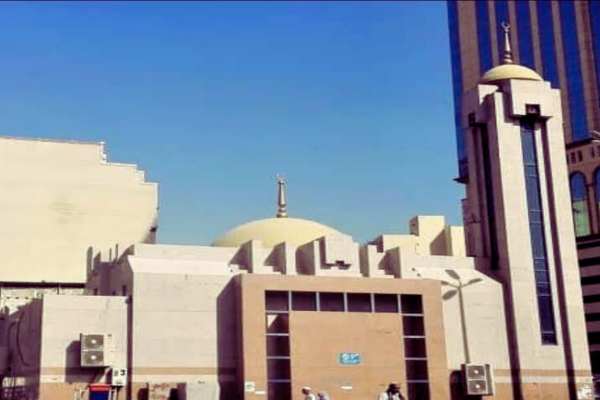
Masjid Quba is the initial mosque erected in Islam, founded by the prophet (saw) when he reached Madinah. Offering just two rak'ahs in this location yields the reward of an Umrah, according to a reliable Hadith. Its tranquil atmosphere and his historical significance make it a preferred spot for pilgrims’
Visit masjid al-Qiblatayn
This mosque honors the significant occasion when the Qiblah (the prayer direction) shifted from Jerusalem to the Kaaba in Makkah. There are two mihrabs - an architectural testament to this vital change in Islamic practice - that visitors will notice.
Explore the seven mosques (Sab'ah Masajid)
Located at the Western edge of Madinah - the seven mosques are small, historic mosques linked to the battle of the Trench (Ghazwat al-Khandaq). Among these are Masjid Al Fath and masjid Salman Al Farsi, providing visitors insight into the military leadership and strategy of the prophet (saw)
Pray at Masjid al Ghamamah
Situated close to the prophet's mosque - Masjid al Ghamamah is believed to be the site where the prophet (saw) prayed for rain. The name of the mosque "Ghamamah," means "cloud," alluding to the heavenly shade that sheltered the prophet. Its design and historical significance make it a crucial destination for pilgrims’
Visit Masjid jummah
This mosque indicates the location where the prophet (saw) gave his initial Friday sermon following his move to Madinah. This site - which is not widely recognised but holds spiritual importance, offers visitors insight into the prophet's initial endeavors to build a community.
See the site of the battle of the trench
Although the trench is now obscured, the site is recognised as a key position that was fortified during the historic Battle of Khandaq. Being present here is an enlightening experience - highlighting the struggles encountered by the early Muslims and their steadfast belief.
Enter ihram at Masjid Dhu al-Hulayfah (Miqat for Madinah)
For individuals’ intending to visit Makkah for Umrah - the specified miqat is masjid Dhu al-Hulayfah (also known as Masjid al-Shajarah). The mosque offers adequate bathing and changing amenities’ for pilgrims who plan to wear their ihram clothing and set their intention for Umrah.
Explore the Dar Al Madinah Museum
This museum offers an in-depth exploration of Madinah's history and evolution particularly during the era of the prophet. With scale models, manuscripts and artistic depictions of ancient Madinah - it provides visitors with an all-encompassing perspective on the city's development and importance in Islamic history.
Visit the Al Madinah museum
Located in the historic Hejaz railway station, this museum showcases an extensive array of artifacts - from ancient Islamic coins and maps to the tools from the Ottoman period utilised in building mosques. It's essential for history fans and anyone interested in discovering more about Madinah's history.
Enjoy the garden of Salman Al Farsi
This tranquil palm grove commemorates the tale of Salman Al Farsi (RA) - the Persian companion who recommended digging the trench during the siege of Madinah. The garden is tranquil and carefully tended featuring shaded spots perfect for resting, contemplating and having light snacks’.
Shop for Ajwa dates and souvenirs
Madinah's date markets’, particularly near the Quba and Central regions, are renowned for the ajwa type - dates cherished and endorsed by the prophet (saw). You will also discover various Islamic products’ like tasbeeh (prayer beads), attar (fragrance oils), and Islamic literature, making them perfect for thoughtful souvenirs.
Visit Wadi al baida (valley of the jinn)
Situated approximately 30 km to the Northwest of Madinah - this natural valley is enveloped in mystery and local legends. Certain visitors assert that their cars operate independently, potentially because of magnetic anomalies. Though lacking religious importance, it presents a distinctive experience if you have spare time.
Extra tips for pilgrims
Optimal visiting period: from October to March - the climate is milder and more pleasant for walking around the city Transportation: Uber, Careem and nearby taxis are readily accessible. Strolling is perfect in the central area of the prophet's mosque Dress and Manners’: modest attire is essential and it is important to respect local customs. Honor the assigned prayer times, refrain from loud discussions and pay attention to restricted areas’ particularly in cemeteries and mosques. Cuisine: savor an array of halal dishes featuring traditional Saudi options such as Kabsa, Mandi, Harees and hot, freshly made flatbreads. Numerous dining establishments are suitable for families’ and located near the central mosque area
Final thought
Going to Madinah during Umrah offers more than just a spiritual ceremony - it's a chance for personal development, historical engagement and profound contemplation. Each mosque, peak and Bazaar narrates a tale connected to the life of the Prophet (saw) and his companions. Be it that you walk in the same footsteps or pray where he once was - the feeling of peace and connection is deep. Wishing your trip to Madinah is abundant with blessings, fulfilling prayers’ and lasting memories that stay in your heart forever.